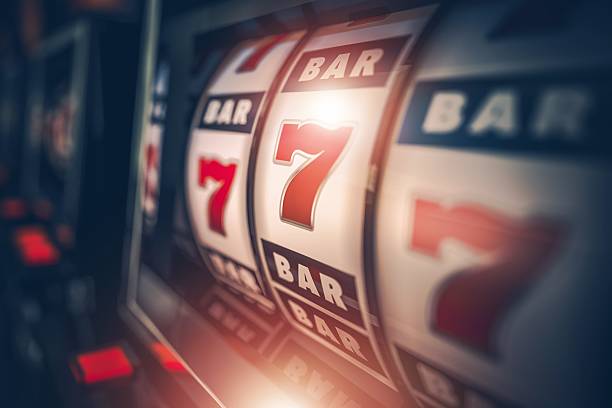
The Allure of the Casino Experience
Casinos have long fascinated people, not just for the potential of financial gain, but for the intricate psychological landscape they offer. The environment itself is carefully curated to engage the senses and influence behavior. Bright lights, the constant murmur of activity, and the visual appeal of games all contribute to an atmosphere designed to keep patrons engaged and optimistic, often masking the underlying probabilities of the games themselves. Understanding this carefully constructed ambiance is the first step in appreciating the psychological forces at play, and for those interested in online options, exploring the world of plexian casino can offer a different perspective on digital entertainment.

The anticipation of a win, coupled with the thrill of risk, creates a potent cocktail of emotions. This emotional roller coaster is a significant draw, making the casino a destination for excitement and escapism. For many, the experience transcends mere gambling; it becomes a social outing, a test of luck, or a brief departure from everyday realities, all facilitated by the unique psychological environment cultivated within casino walls.
Cognitive Biases in Casino Play
Several cognitive biases heavily influence decision-making at the casino. The “gambler’s fallacy,” for instance, is the mistaken belief that if something happens more frequently than normal during some period, it will happen less frequently in the future, or that, conversely, if something happens less frequently than normal during some period, it will happen more frequently in the future. This is particularly evident at roulette tables, where players might believe a certain color is “due” to appear after a string of the opposite color. Similarly, the “near miss” phenomenon, where a player almost wins, can create a false sense of closeness to a win, encouraging further play.
Another prevalent bias is “confirmation bias,” where individuals tend to seek out and interpret information that confirms their existing beliefs. A player who believes they have a “system” might focus only on the times it seems to work, ignoring the numerous instances where it fails. This selective attention reinforces their belief in their strategy, making it harder to recognize the inherent randomness of casino games and the statistical advantage typically held by the house.
The Role of Dopamine and Reward Systems
The human brain’s reward system plays a crucial role in the casino experience. The release of dopamine, a neurotransmitter associated with pleasure and reward, is triggered by the unpredictable nature of gambling. Even the anticipation of a win, or a near miss, can stimulate this system, creating a powerful reinforcing loop. This intermittent reinforcement schedule is known to be highly effective in maintaining behavior, making it difficult for individuals to disengage once they are immersed in the experience.
This neurological response can create a compelling drive to continue playing, as the brain seeks to replicate the pleasurable sensations associated with potential rewards. The subtle sounds of slot machines, the flashing lights, and the visual cues of winning symbols all work in concert to stimulate these dopamine pathways, contributing to the engaging and sometimes addictive nature of casino environments. Understanding this biological component is vital to appreciating the depth of the psychological engagement.
Managing Expectations and Emotional Control
Effective participation in a casino environment, whether for entertainment or with the hope of financial gain, necessitates strong emotional control and realistic expectations. Recognizing that casinos are primarily businesses designed to profit from game outcomes is paramount. Instead of chasing losses or becoming overly elated by wins, a disciplined approach involves setting clear limits on both time and money that one is willing to spend.
Adopting a mindset that views casino visits as a form of entertainment, with an associated cost, can foster healthier engagement. This perspective shifts the focus from solely winning to enjoying the experience itself, thereby mitigating the emotional highs and lows that can lead to poor decision-making. By maintaining a rational outlook, players can better navigate the psychological pressures inherent in casino settings, ensuring a more controlled and potentially more enjoyable experience.

Plexian and the Psychology of Engagement
Organizations like Plexian, operating within the broader online entertainment and service sector, often leverage psychological principles to enhance user engagement. While not a casino in the traditional sense, the underlying concepts of creating compelling user journeys and fostering a sense of satisfaction are universal. Plexian’s approach to its services likely involves understanding user motivations and designing interfaces and experiences that are intuitive and rewarding, mirroring the careful design found in successful entertainment platforms.
The success of any online service, including those that might offer competitive or entertainment-based features, hinges on its ability to capture and retain user interest. This often involves understanding the psychology of attraction and retention, whether through gamification, personalized experiences, or reliable service delivery. Plexian’s operations, therefore, are likely guided by an awareness of how to psychologically engage its audience, ensuring users find value and continue to interact with its offerings.